Pest Control Service in Lawrenceville stops active insect invasions, eliminates nesting rodent colonies, and fortifies building perimeters against future biological intrusion. Gwinnett County residential properties face dense ambient humidity, dense Piedmont clay soils, and mature pine canopies that channel subterranean termites, German cockroaches, and roof rats directly into living spaces.
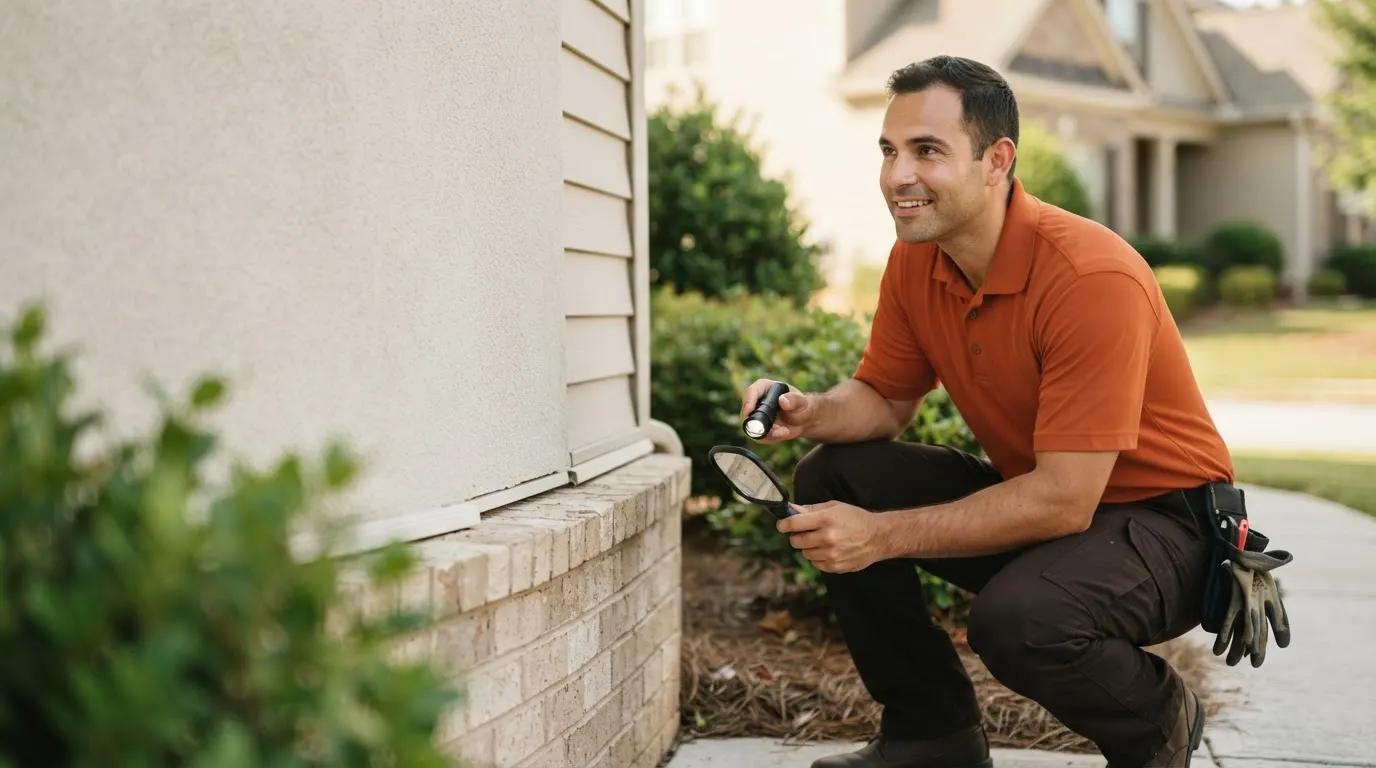
Pest Control Service in Lawrenceville is a targeted structural treatment and biological exclusion process that eliminates active insect or rodent colonies and seals architectural entry points across Gwinnett County properties.
Every service reflects the same meticulous attention to detail, whether it's a single job or a larger pest control service project across Lawrenceville.
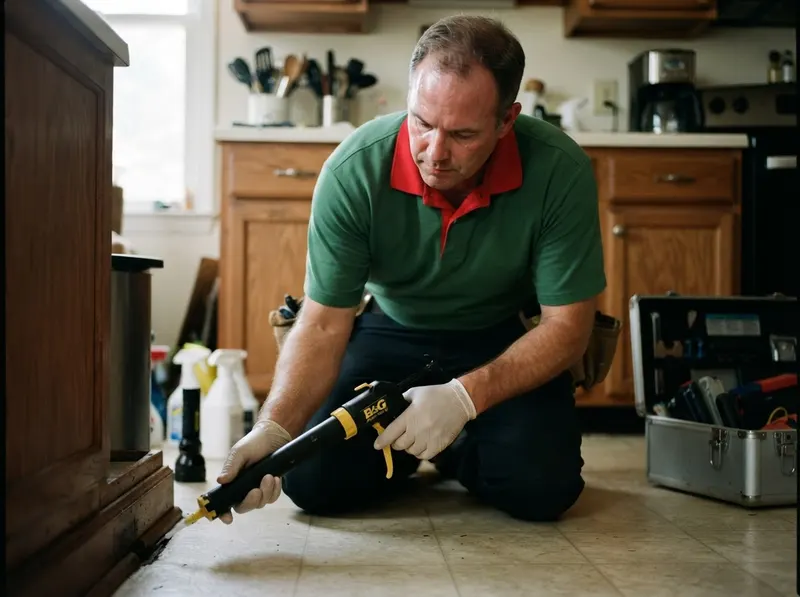
Targets aggressive German, American, and smokybrown cockroach populations nesting inside residential kitchens, crawl spaces, and plumbing voids. Field specialists execute deep structural inspections across motor compartments, under-sink utility chases, and dishwasher housings where thermal warmth and condensation accumulate. Treatments deploy precision-placed micro-gel baits paired with non-repellent insect growth regulators (IGRs) such as pyriproxyfen or hydroprene, halting juvenile nymph maturation and preventing adult reproductive cycles without aerosolizing irritants into domestic living spaces. Interior crack-and-crevice treatments use localized non-repellent formulations that foraging cockroaches transfer back into aggregation zones, resulting in complete harborage mortality within 14 to 21 days.
Get a quote →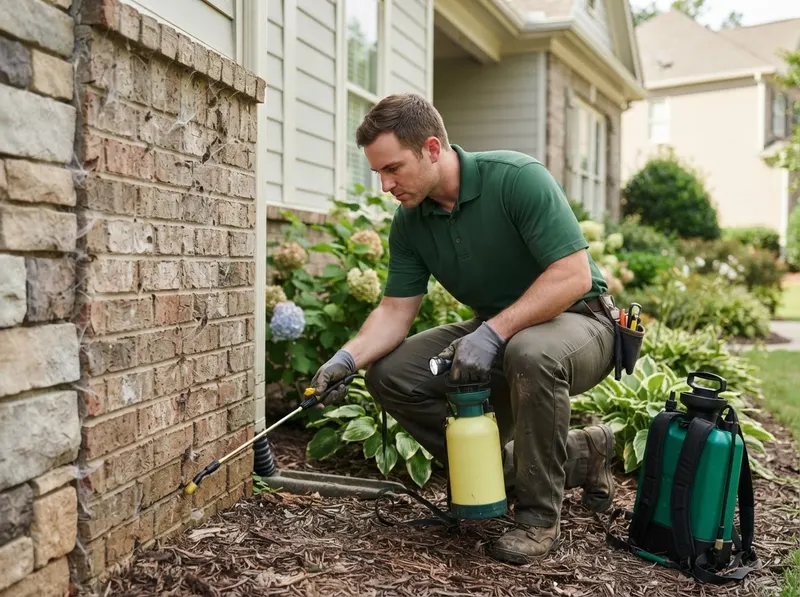
Removes dangerous brown recluse and black widow populations alongside predatory funnel-web and orb-weaver spiders around basements, garages, and exterior eaves. The service begins with high-reach mechanical sweep poles to dislodge architectural webbing, egg sacs, and clinging insect debris up to 24 feet high. Technicians apply specialized microencapsulated pyrethroids and low-toxicity silica dust formulations into dry crawl space perimeter joints, interior sill plates, attic joists, and structural weep screeds. Because spiders travel on high leg joints and do not groom themselves like insects, microencapsulated surface applications cling directly to outer body hairs, ensuring lethal uptake during nighttime movement across treated surfaces.
Get a quote →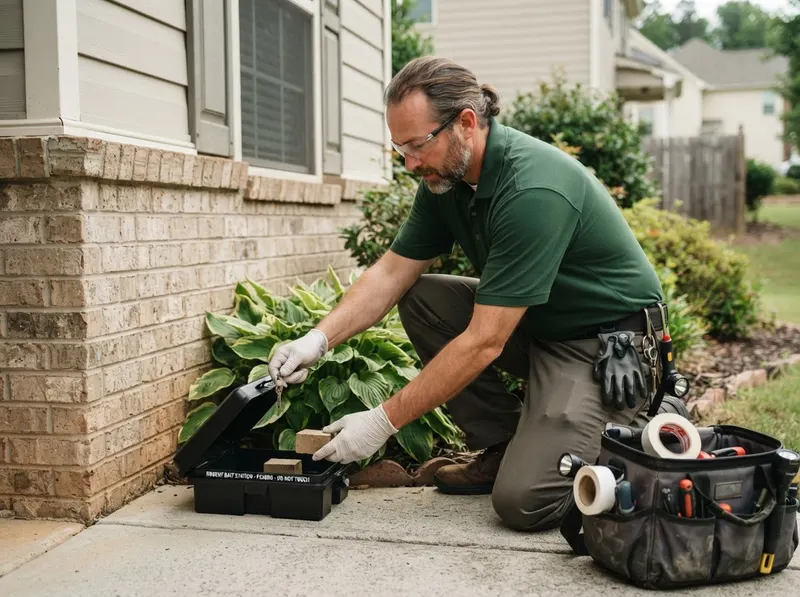
Stops nocturnal scratching inside attics, ceilings, and drywall through full-spectrum structural exclusion and targeted interior capture. Technicians map roofline transitions, builder gaps, plumbing penetrations, air conditioning line chases, and crawl space vent doors to locate entry paths as small as 1/4-inch wide. Entry points are reinforced using heavy-gauge galvanized steel mesh, exterior-grade fire-resistant poly foam, and chew-proof brass wire cloth. Interior capture protocols utilize commercial mechanical snap traps staged systematically along structural runway paths inside attics and basements, avoiding interior rodenticide baits that leave decaying carcasses inside wall cavities and ensuring verified removal within 72 hours.
Get a quote →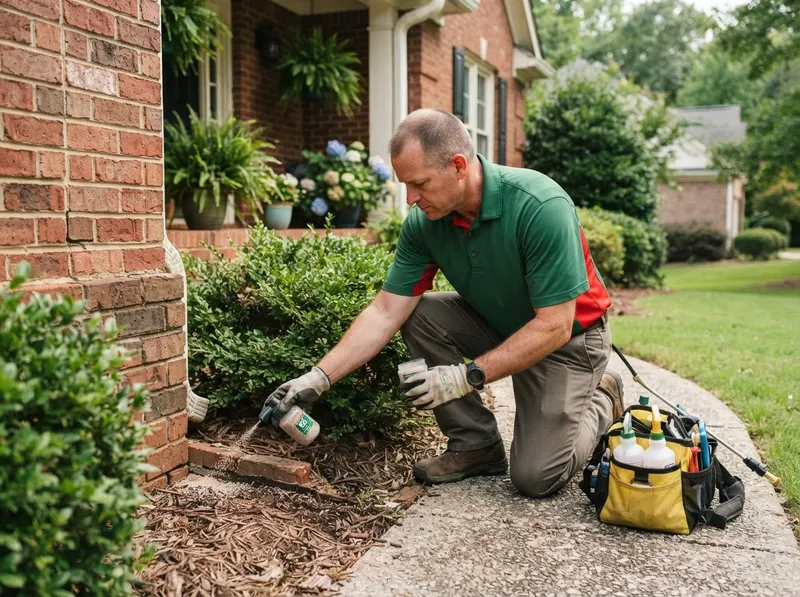
Eliminates wood-destroying carpenter ants nesting inside moisture-damaged structural framing alongside aggressive Argentine and odorous house ant colonies tracking through slab foundations. The application utilizes dual-action carbohydrate and protein micro-baits combined with non-repellent liquid transfer agents like fipronil along exterior foundation walls and landscape transition lines. Foraging workers cross the treated zone without detection, unwittingly carrying the active compound directly into interior sub-nest chambers to share with queens and developing brood. This biological transfer mechanism collapses complex multi-queen satellite colonies within 10 to 14 days, eradicating persistent trailing behavior across kitchen counters and baseboards.
Get a quote →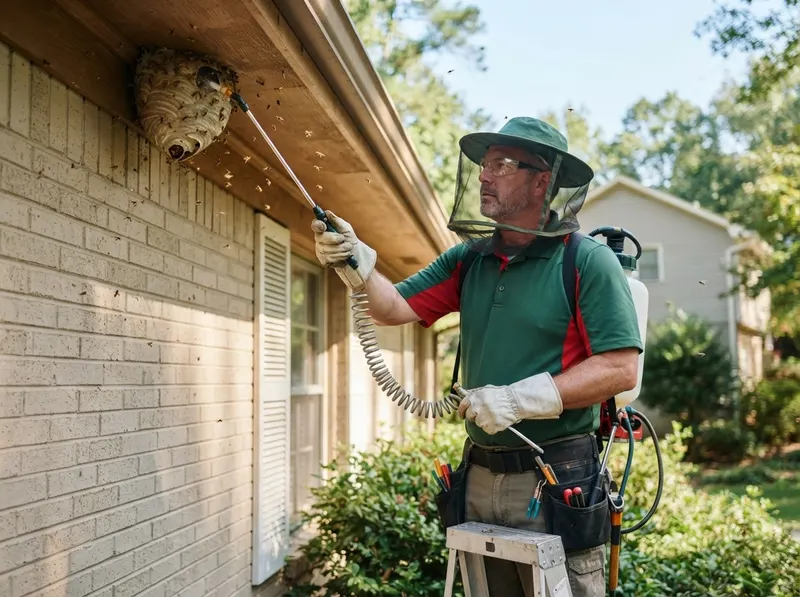
Safely removes paper wasp nests, bald-faced hornet structures, and subterranean yellowjacket colonies from high roof gables, eaves, chimney soffits, and landscape retaining walls. Field specialists use high-pressure aerosol injection systems that instantly freeze and immobilize stinging insects on contact, minimizing swarming hazards near entry doors and recreational decks. Following structural nest detachment and safe disposal, specialists apply residual non-pyrethroid micro-coatings directly onto attachment points to neutralize returning field foragers and deter future queen colony initiation throughout the hot summer and fall breeding seasons.
Get a quote →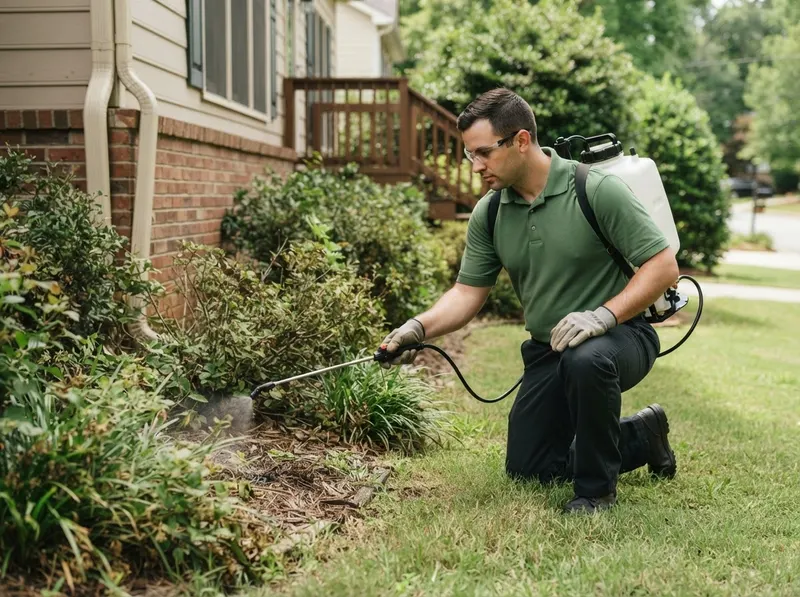
Eradicates active outdoor and indoor lifecycle infestations utilizing adulticides paired with juvenile hormone mimics across yard margins and living quarters. Outdoor applications focus directly on high-humidity zones including pine straw groundcover, shaded foundation flower beds, dog runs, and low-hanging ornamental shrubs where tick nymphs and adult fleas seek animal hosts. Indoor protocols deliver fine low-pressure broadcast applications to carpet fibers, baseboard gaps, and pet resting zones, breaking the lifecycle by paralyzing mature adults while preventing pupae emergence and egg hatching through active insect growth regulator persistence.
Get a quote →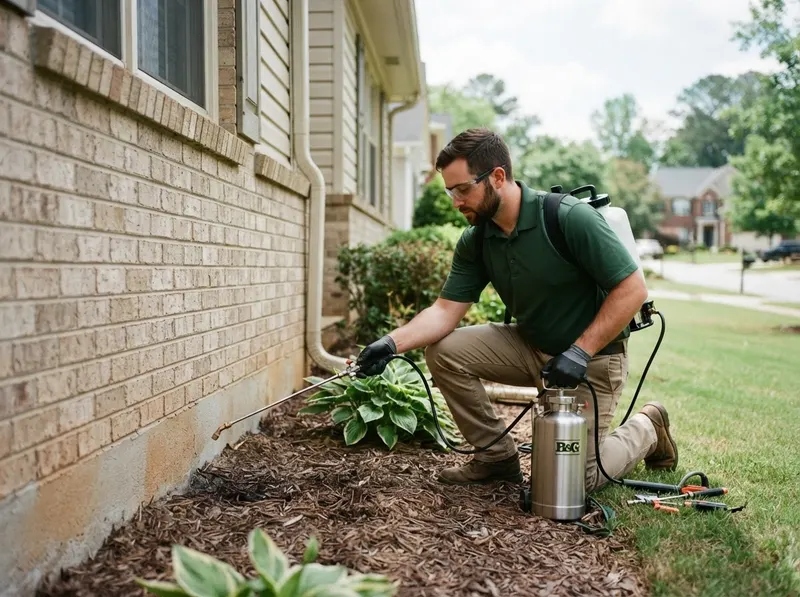
Establishes a continuous 3-foot upward and 3-foot outward protective chemical zone directly along foundation stem walls, exterior door thresholds, and basement window framing. This water-resistant microencapsulated formulation binds directly to red clay soils, poured concrete, and masonry brick veneer without washing away under intense Gwinnett County summer cloudbursts. The barrier provides round-the-clock defense against invasive crawling insects including earwigs, silverfish, centipedes, millipedes, and clover mites, stopping structural entry through expansion joints and weep holes before insects reach indoor living areas.
Get a quote →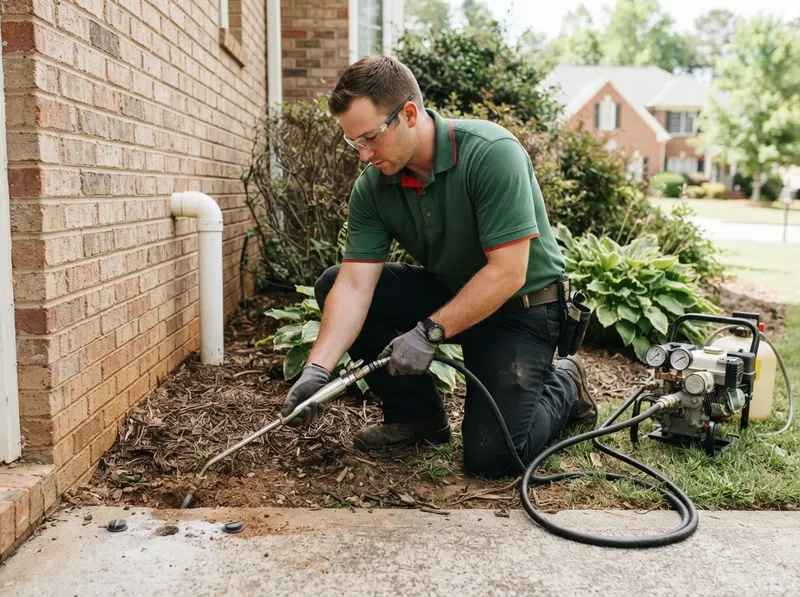
Constructs an unbroken chemical zone around structural footprints utilizing continuous soil trenching and hollow block foundation injection down to the structural footings. Specialists excavate a 6-inch by 6-inch trench along the full foundation perimeter, applying liquid non-repellent termiticide at the calibrated rate of 4 gallons per 10 linear feet per foot of depth. The advanced non-repellent molecule remains imperceptible to subterranean termite workers, causing continuous lethal transmission throughout subterranean colonies and stopping structural mud-tube construction over masonry stem walls into wood subfloors.
Get a quote →You get a firm, itemized quote for your pest control service before any work begins, no surprises, no pressure.
Careful prep, tidy work, and a full cleanup when we are done. We treat your home and belongings like our own.
The same trusted, background-checked team from the first call to the final check.
Selecting the right pest management approach depends directly on the biological target, the age of the structure, and the physical building envelope. If a property experiences attic noises, drywall gnawing, or shredded fiberglass insulation, choose specialized rodent exclusion rather than general perimeter spraying; exclusion permanently blocks entry points using 1/4-inch galvanized steel mesh and concrete sealants, whereas exterior perimeter sprays have zero impact on interior mammals. If a home shows visible swarming insects, discarded wings, or mud tubes along a masonry stem wall, select subterranean termite barrier trenching instead of surface insect treatments; liquid termiticide forms a continuous 4-foot deep subterranean treated zone that neutralizes the subterranean queen and worker caste, whereas surface ant sprays wash away in Georgia red clay.
If kitchen cabinets or bathroom fixtures show nocturnal cockroach activity, choose targeted baiting and insect growth regulators (IGRs) rather than wide-broadcast foggers; broadcast fogging pushes roaches deeper into wall voids and HVAC conduits, while low-volatility gel baits exploit natural grooming behaviors to eradicate harborages horizontally. If standing water or dense brush harbor biting flies and mosquitoes, choose targeted foliage misting and larvicide dunks rather than ground-only barriers; misting coats the underside of broadleaf foliage where adult mosquitoes rest during daytime heat, whereas foundation bands only stop crawling soil arthropods. The primary trade-off between quarterly maintenance plans and intensive single-event remediation is upfront mechanical exclusion cost versus recurring application frequency: intensive single-event services seal the physical building envelope to prevent access permanently, whereas recurring quarterly programs focus on replenishing exterior chemical barriers degraded by Lawrenceville's 50-inch annual rainfall and intense summer ultraviolet exposure.
Every project gets a firm, written price after a free on-site visit. Ranges below for orientation.
Tell us about your pest control service job and we'll send a clear, written quote, usually the same day. Or just call and talk to a real Lawrenceville pro.
(678) 736-8410
Properties built throughout Lawrenceville, especially along established residential corridors near Rhodes Jordan Park, the Historic Gwinnett County Courthouse, and Freeman's Mill Park, feature heavy clay soil foundations and split-level crawl spaces that collect moisture during spring rains. Mature hardwood and loblolly pine canopies around Georgia Gwinnett College and Alexander Park drop heavy pine straw layers directly against brick weep holes, creating thermal bridge runways for smokybrown roaches, Argentine ants, and roof rats seeking interior shelter. Lawrenceville experiences an average of 50 inches of precipitation annually, which creates elevated subterranean water tables that soften red clay and push subterranean termites upward into foundation sill plates. In neighborhoods adjacent to Coolray Field and along Pew Creek, extensive suburban grading has disrupted natural rodent habitats, driving roof rats into attics and soffit returns of multi-story homes. Standard surface sprays quickly bind to and deactivate in Gwinnett County's dense iron-rich clay soils, requiring specialized microencapsulated suspensions and deep mechanical exclusion techniques to physically halt structural pest intrusion before insects cross interior foundation thresholds.
Free estimates for Lawrenceville & the surrounding area.
 Peachwood Pest Control